
A Comprehensive Guide to HeartMath Techniques for Trauma Survivors
A little sneak peek into the story of HeartMath before our Q+A with Melissa Griffiths on May 21.


Objectives:
Build a sense of curiosity around HeartMath
Learn more about Melissa Griffiths, who will be leading us in a HeartMath Q+A on May 21st so you can get a hands-on experience working with HeartMath Techniques
Outcomes
Consider signing up Integrate Trauma Informed Network’s HeartMath Q+A with Melissa Griffiths
About Melissa Griffith
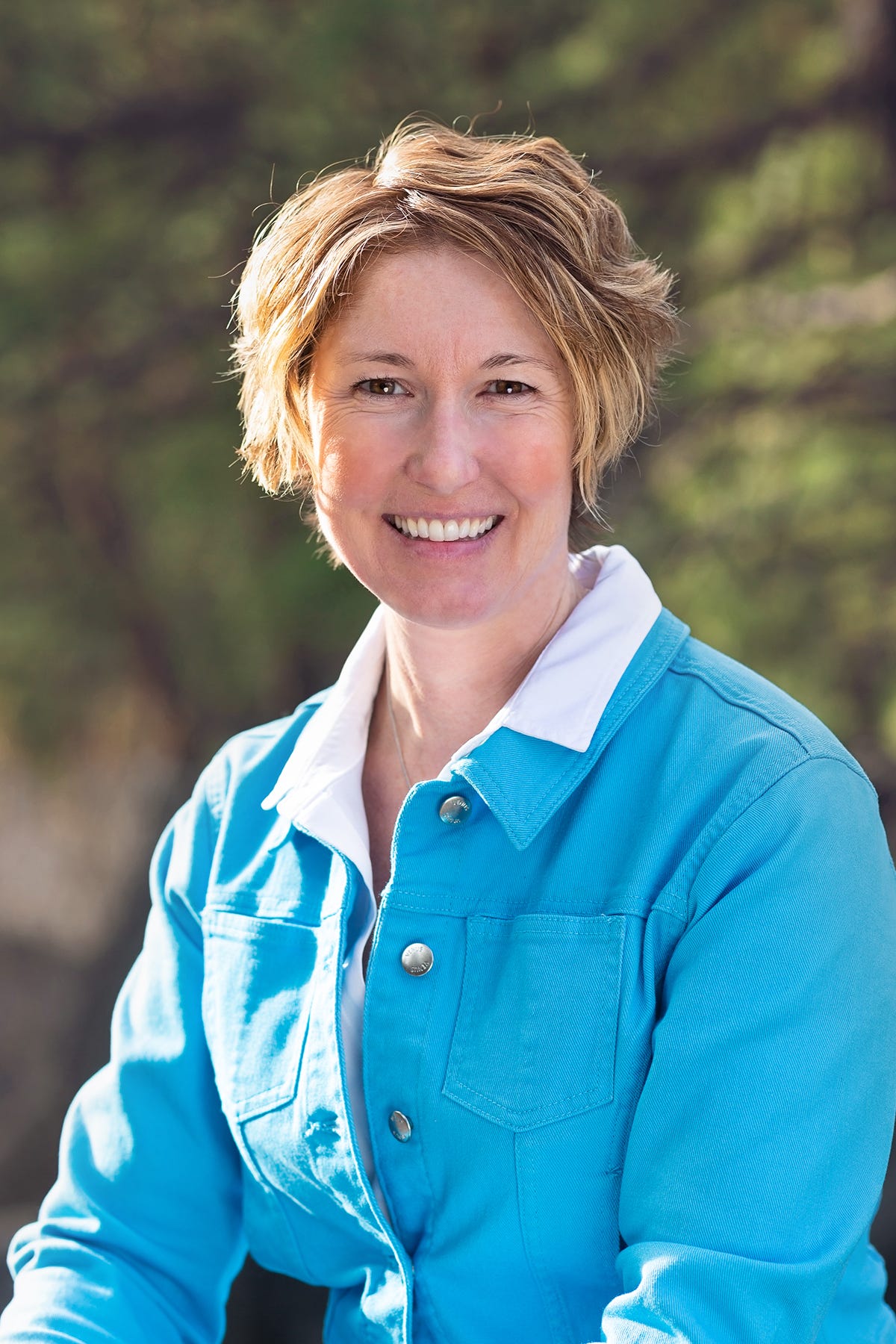
For over 25 years Melissa lived by the hormones of stress. As a high performing business development executive, Melissa spent every work day (and mostweekends) focused on generating revenue. She worked exclusively in professionalservice firms where she ran national sales teams, worked with Fortune 50 companies, and closed multi-million dollar deals.In 2016 Melissa was forced to slow down when she suffered a freak accident which left her with adrenal fatigue, migraines, and depression. It took her 2 yearsto heal, during which time she went through a myriad of emotions from frustration and anxiety, to stress and overwhelm. In healing herself, she came to realize that her true value was synthesizing everything she had learned to teachothers how their thoughts, feelings, and emotions can affect their physical bodyand overall health. Melissa founded Ascension, Inc. (Active Ascension)to share the tools and techniques that worked for her. Melissa is a Certified HeartMath Practitioner, a Certified Emotional Resolution Practitioner, a Certified BodyTalk Practitioner, and is in the process of completing certification as a Clinical Anxiety Treatment Professional
The Story of HeartMath:
If you've never heard of HeartMath, you're not alone. In simple terms, HeartMath is an evidence-based technique that helps to manage stress and anxiety levels. It is based on the understanding that our hearts have a more profound and more influential role in our bodies than previously thought. The concept of HeartMath originated in the 1990s when a team of doctors, psychologists, and engineers recognized the connection between heart rhythm patterns and human emotion. Since then, HeartMath techniques have helped millions of individuals worldwide in managing stress and anxiety, with a proven track record of success to help those with a history of trauma.
Benefits of HeartMath for Trauma Survivors
HeartMath techniques are a great tool for individuals who have experienced trauma and struggle with its negative effects. Research shows that HeartMath can help regulate the stress response system, increase feelings of calmness and relaxation, and improve emotional regulation. This can lead to improvements in quality of life, sleep, focus, and self-esteem.
HeartMath Basics Techniques:
Heart Focused Breathing – Deep breathing where you focus your attention in the area of your heart while imagining yourself breathing in and out through your heart
Quick Coherence Technique – A three-step process to promote a state of balance and harmony between the heart and mind.
Inner Balance – A biofeedback device used in combination with HeartMath techniques to measure your heart rate variability and help you track progress more easily.
Tips and Tricks for Best Practices:
Incorporate HeartMath into your daily routine – Take a break for a few minutes each day to practice one of the HeartMath techniques.
Practice Mindfulness –A mindfulness technique is showing yourself compassion and kindness and directing positive energy towards yourself, focus on positive emotions or memories.
Additional resources:
HeartMath Official Website - HeartMath Institute
Inner Balance device - HeartMath device
How Long Will It Take to Learn and Start Seeing Results?
Learning HeartMath techniques can take a few days, a week or even more for some individuals. While some may start experiencing results immediately, it could take several weeks for others, depending on how frequently they practice the techniques. We encourage you to have patience, be persistent, and give yourself the time to learn the techniques.
Conclusion
HeartMath techniques are an excellent tool for trauma survivors who find it challenging to regulate their stress response system, leading to chronic stress, anxiety, and unease. By incorporating HeartMath, survivors can experience the benefits of an evidence-based technique that facilitates emotional regulation, relaxation, and overall wellbeing. Remember that everyone's journey with HeartMath is unique, and there is no need to feel discouraged if it doesn't come naturally initially. With persistence, patience, and an open mind, it’s possible HeartMath can make a significant difference in your life.
Next Steps
More Resources, Certifications and Insights
Trauma Informed Reiki
St. Louis Folks! Trauma and Reik for Grief Care Certification is coming to you-IN-Person-Only at Joy of Yoga.

If you are ready to learn an integrated approach to supporting your Reiki clients through trauma and grief care, while adding different healing modalities to your toolbox, this in-person training is for you.
Read more to expand your perception and deepen your compassion
Check out our featured webinar:

Where Is My Mind: Explorations of Mental Health with Virtual Reality and Aritifical Intelligence.
We invite you to watch this pre-recorded webinar and immerse yourself in the future of technology as we explore its impact on mental health, accessibility, ethics, and security! Take advantage of this fascinating discussion of cutting-edge breakthroughs and the potential risks of the latest advances in VR and AI tech intended to benefit the human experience but will require extensive professional
oversight. You can sign up now to stay informed, educated, and open to the possibilities.
What questions do you have for Melissa about HeartMath before our Q+A on May 21st. Comment here to let us know.