
Understanding Networking vs. Outside Solicitation—and Why It Matters
Fostering Empathy, Strength, and Authentic Growth in Leadership and Community

Understanding Networking vs. Outside Solicitation—and Why It Matters
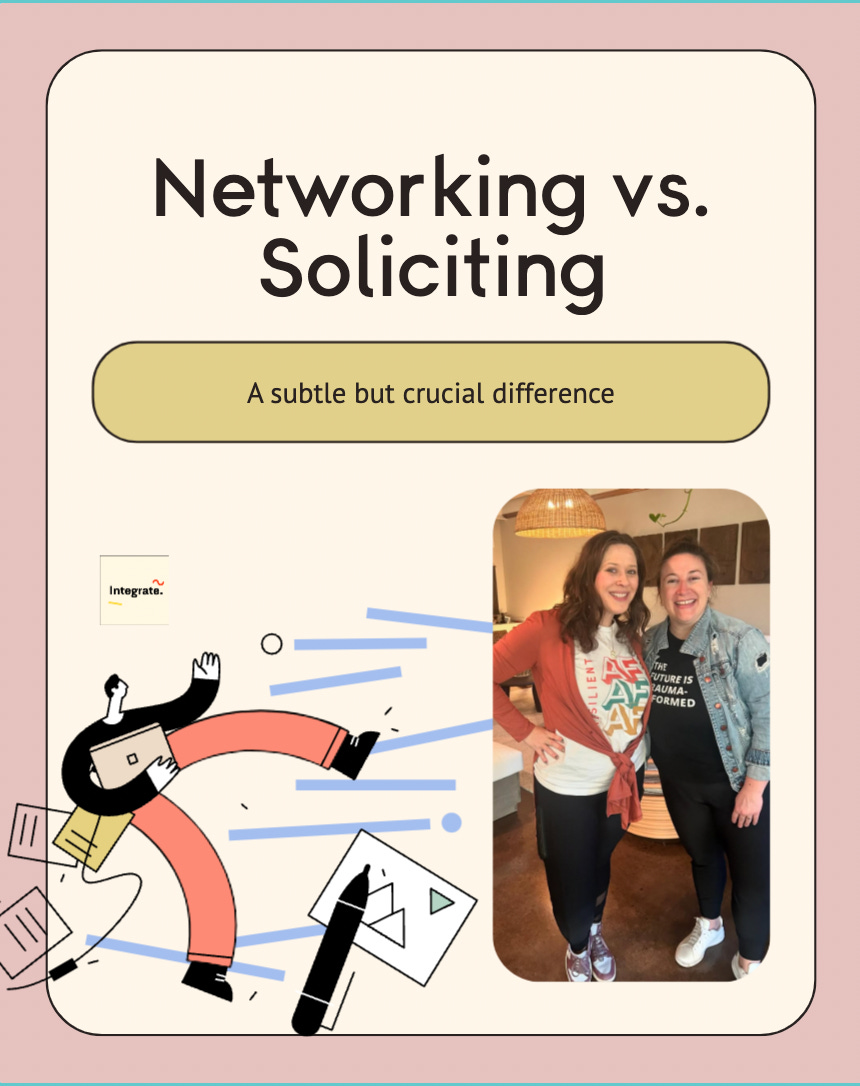
When we recently introduced a policy stating that outside solicitation is not allowed at our events (sign up for one of our free events on our new booking site and you can read the policy) , it sparked an important and thoughtful question. Someone asked, “What’s the difference between outside solicitation and networking?” This question is a fantastic opportunity to unpack the distinction and to emphasize why it matters so much—especially for startups, tech companies, businesses, and wellness communities.
What Is Networking?
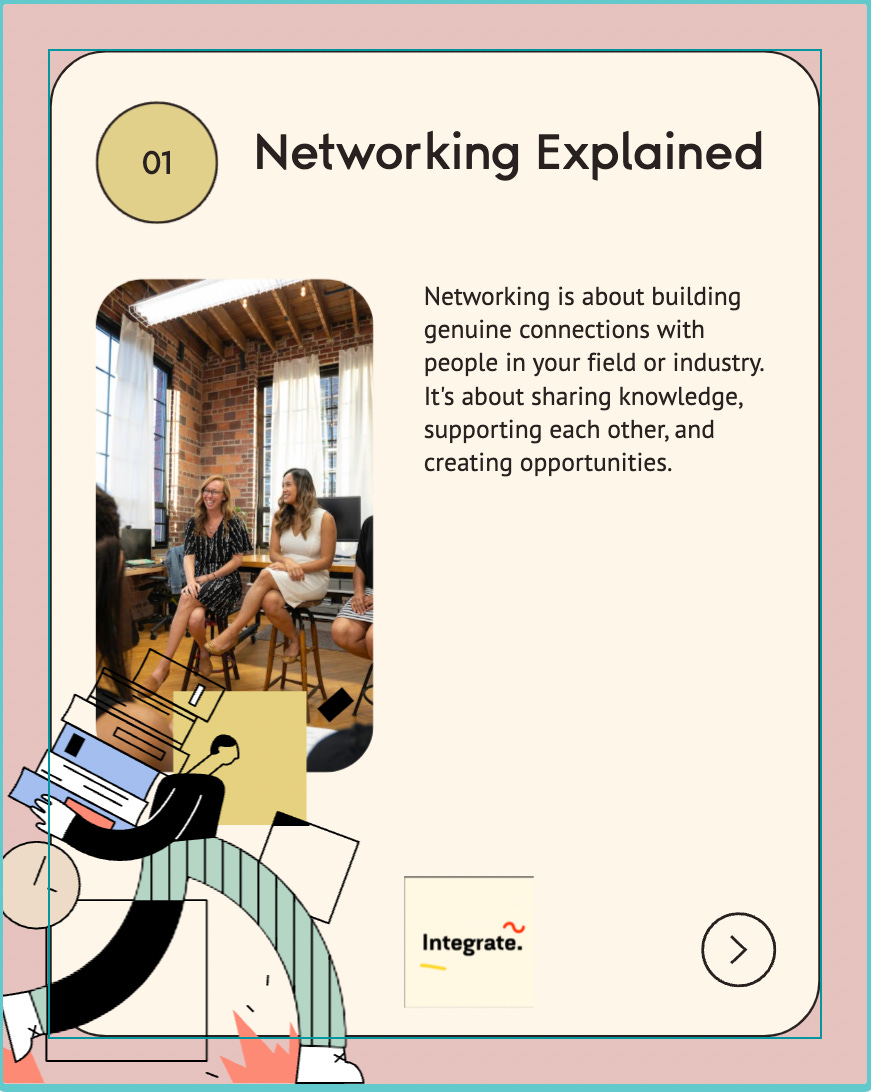
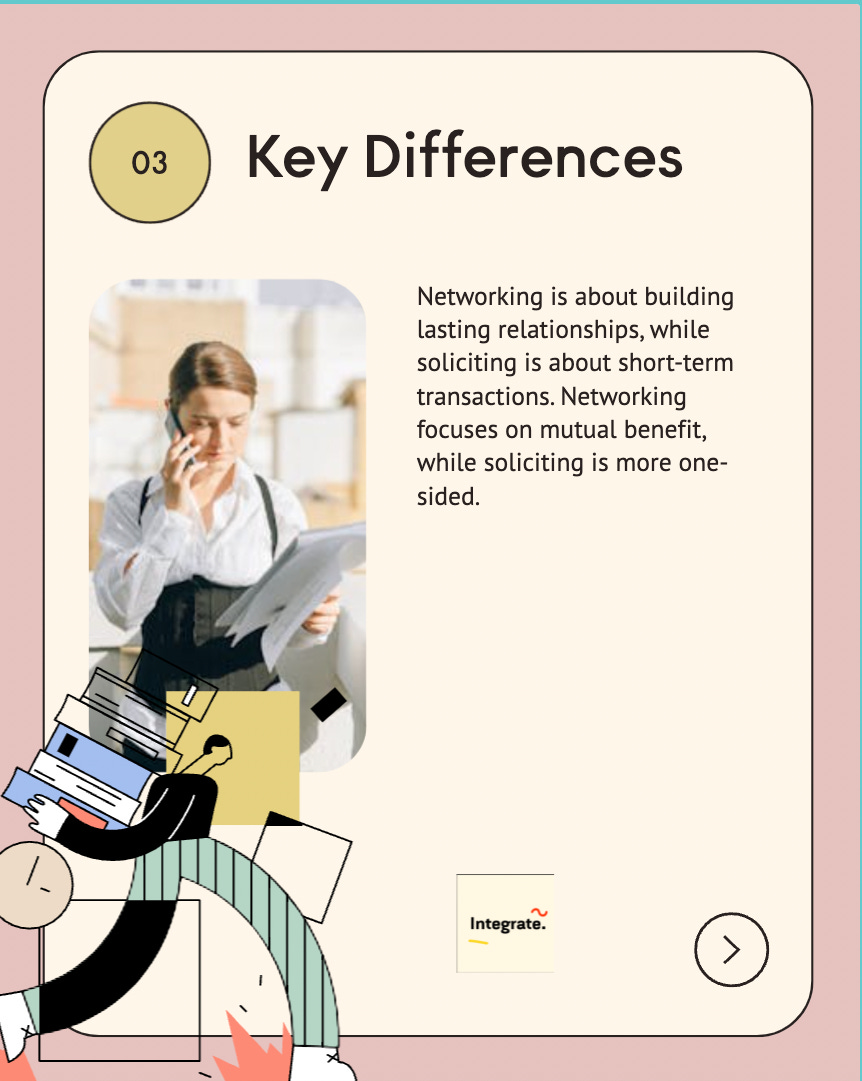
Networking is about authentic connection. It’s about engaging with others to share ideas, collaborate, and learn from one another. The best kind of networking isn’t driven by an immediate agenda but by a sincere intention to foster trust and mutual support.
For example, a tech startup founder might attend an accelerator program and casually chat with another attendee about their day-to-day challenges. They exchange advice on improving user acquisition strategies. No services are pitched, no deals are made, but over time, this connection becomes a partnership or referral source. This is networking at its best—relationship-first, value-driven, and long-term focused.
Case Study 1 (Tech): A software developer at a tech meetup seeks advice about improving the scalability of their app. Instead of promoting their own product, another participant introduces them to a relevant professional in their network. This person becomes a mentor and eventually helps them build the solution they need. No immediate transaction—just connection, collaboration, and growth.
Case Study 2 (Wellness): At a wellness retreat, a yoga teacher genuinely shares tips on building a supportive community, inspiring a fellow attendee who’s launching meditation classes. Months later, they collaborate on a joint retreat. That’s networking—collaborating over shared goals and values.
What Is Outside Solicitation?
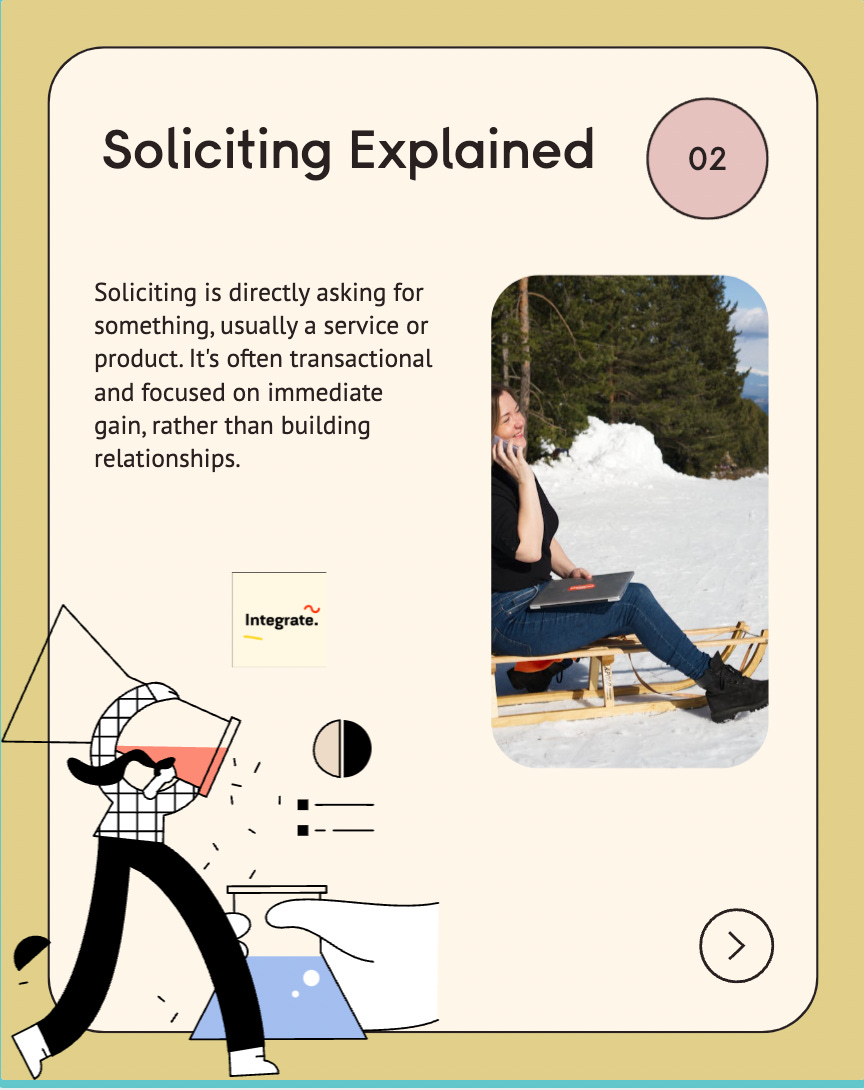
Outside solicitation feels more transactional. It’s when someone promotes their own services, products, or agenda without an organic connection or context. It happens at events when someone hands out flyers or pitches their business to everyone they meet without fostering any kind of relationship first. It’s one-sided and often disrupts the atmosphere of trust and collaboration.
Imagine a small business conference where someone continuously interrupts conversations to pitch their financial planning service. While their service might be valuable, their approach feels intrusive because it lacks personalization or consideration for the audience.
Case Study 3 (Startups): A founder at a pitch night breaks etiquette by distributing business cards unsolicited, bypassing natural conversations. This leaves a bad impression on fellow participants, damaging their chances of meaningful connections down the road.
Case Study 4 (Wellness): During a mindfulness workshop, a participant tries to recruit attendees for their new health coaching service by pitching during group activities. This breaks the collaborative energy of the workshop and can leave others feeling uncomfortable.
Why This Distinction Matters
For startups, tech businesses, small companies, and wellness entrepreneurs, relationships—not transactions—are the foundation of growth. When someone skips over relationship-building and jumps into self-promotion, they risk alienating potential collaborators, peers, and even clients.
At our events, fostering a community of collaboration is pivotal. Outside solicitation can undermine this environment, shifting attention from shared learning and connection to self-serving goals. By drawing a clear line between networking and solicitation, we ensure that our events remain safe spaces where attendees can connect meaningfully without feeling pressured or overwhelmed.
Building Better Connections Through Networking
To help you network effectively at our events (and beyond), here are three simple yet powerful strategies to keep in mind.
1. Start with Curiosity
Be genuinely interested in the people you meet. Ask open-ended questions like, “What’s something exciting you’re working on right now?” or “What brought you to this event?” Listening attentively makes people feel valued and opens the door to deeper conversations.
Example (Business): At an industry conference, instead of pitching your product right away, ask others about their goals. You might identify a shared problem before bringing in your solution.
2. Add Value First
Offer something meaningful before mentioning what you do. This could be advice, a connection from your own network, or simply a thoughtful compliment. Focus on being helpful rather than on selling.
Example (Wellness): At a retreat, if a fellow attendee mentions struggling to create a morning routine, share your favorite habit-forming trick. That genuine offering can lead to a deeper dialogue and even mutual support down the road.
3. Think Long-Term
Networking isn’t about immediate results. Good relationships, like successful businesses, take time to build. Approach every conversation with the mindset of planting seeds for future collaboration.
Example (Startups): Two founders who met at a small business expo stayed in touch over LinkedIn for years. When one needed a business partner later, they reached out, having already built years of trust.
How Our New Policy Supports Authentic Networking
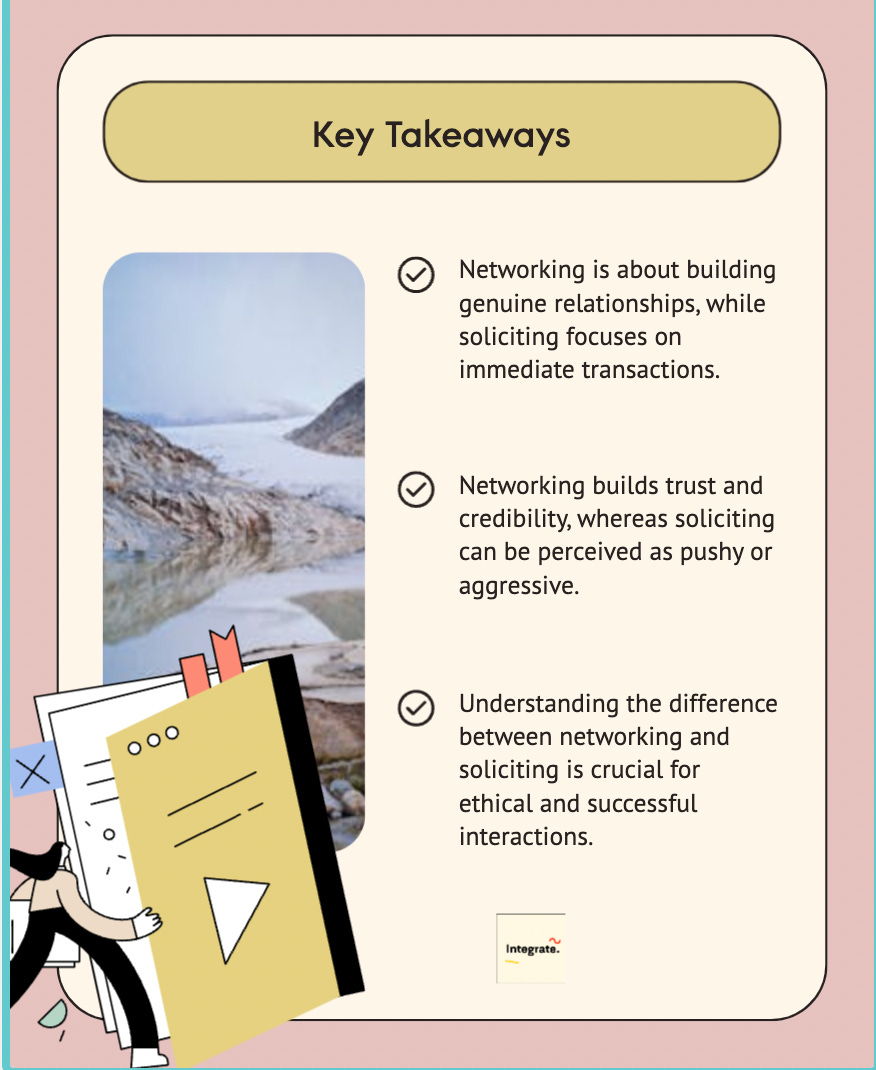
Our policy isn’t about discouraging engagement—it’s about creating a space where meaningful, collaborative connections can thrive. By reducing solicitation at events, we make room for organic, trust-based relationships to grow. And when we prioritize connecting over promoting, we pave the way for stronger communities, lasting partnerships, and collective growth.
For startups, tech leaders, business owners, and wellness professionals alike, the takeaway is clear. Authentic relationships build thriving businesses. When you focus on connecting, listening, and adding value, the opportunities for growth and collaboration become endless.
Take the Next Step—Join Us at the Trauma-Informed Leadership Symposium
If you’re ready to experience how authentic networking can transform your personal and professional growth, we invite you to attend our Trauma Informed Leadership Sympsium. This event is designed to foster genuine connections while equipping you with tools to lead with empathy and resilience.
We also offer weekly trauma-informed leadership opportunities where you can continue to cultivate relationships, gain new insights, and strengthen your leadership skills. These gatherings focus on creating safe spaces for collaboration and growth—making them ideal for those tired of transactional environments.
Check out our upcoming events and learn how trauma-informed practices can strengthen your leadership approach. The future of your wellness and professional network starts here. 🌱
Meet the Leader
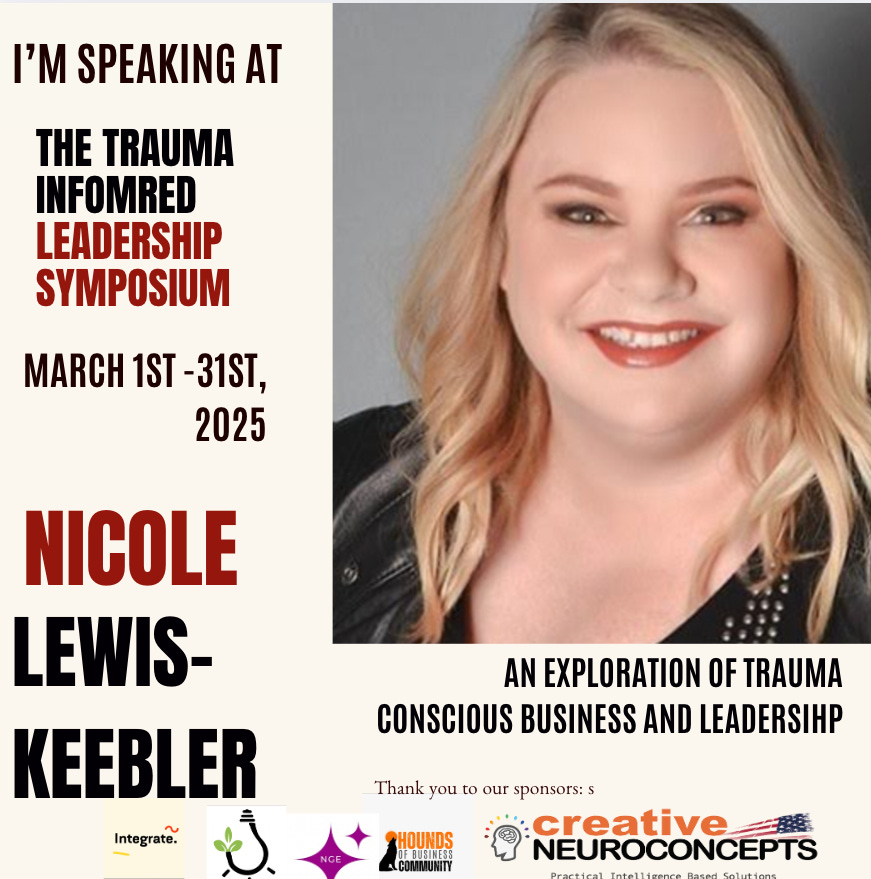
FAQ about Nicole Lewis-Keeber
Who are you, and what do you do?
I’m Nicole Lewis-Keeber, a business therapist, coach, and author of How to Love Your Business. I’m passionate about helping trauma-conscious business owners cultivate healthy and fulfilling relationships with their businesses. I’m also the founder of Love Your Business School, where I support entrepreneurs in building emotionally sustainable and financially successful businesses.
What kind of clients do you work with?
I work with entrepreneurs, business owners, and leaders who want to align their business practices with their values and create a relationship with their business that feels healthy, sustainable, and empowering. My clients are often looking for ways to connect their personal growth with their professional lives—and they’re ready to do the inner work to get there.
What’s your educational and professional background?
I’m a Licensed Clinical Social Worker, and I hold a Master’s in Social Work. With my combined experience as a therapist and business coach, I’ve developed a unique approach to addressing the impact of trauma on business ownership. I’ve trained directly with Brené Brown and earned certifications in The Daring Way™ and Dare To Lead™, which inform much of my work with clients.
Where has your work been featured?
I’ve been fortunate to share my insights on platforms like Fast Company and NPR. My focus on breaking the stigma surrounding mental health in the business world has made me a sought-after expert for interviews, podcasts, and public speaking engagements.
What’s your area of expertise?
I specialize in trauma-informed business coaching. Over the years, I’ve studied the intersection of trauma and entrepreneurship—how past experiences can shape our relationships with our businesses, our decision-making, and even our success. By blending therapeutic processes with coaching strategies, I help clients heal their business relationships while achieving their professional goals.
What makes your approach unique?
I combine my therapeutic background with actionable business strategies to create a distinct coaching style. My work goes beyond surface-level business advice. Together, we dig into the deeper emotional and psychological patterns that may be showing up in your business. My goal is to help you love your business while maintaining your emotional well-being.
What are some of your achievements?
I’m proud to be the author of How to Love Your Business and to have created a supportive and trauma-conscious community through Love Your Business School. Becoming a Certified “Dare to Lead” Facilitator has also been an incredible milestone. But my biggest achievement has always been helping my clients transform their relationships with their businesses.
What’s your ultimate goal?
I want to equip entrepreneurs with the tools and guidance they need to truly love their businesses. It’s not just about profits—it’s about creating a business that supports your life, values, and long-term well-being.
How can I learn more about your work?
You can learn more about my services, programs, and philosophy on my website. I’d love to connect with you and explore how I can help you reimagine your relationship with your business!
Nicole is a speaker in our upcoming Trauma Informed Leadership Symposium, made possible by Creative Neuroconcepts Hounds of Business Community, NextGen Ethics and HR4U, Inc
Next steps:
Attend one ouf next Attend our next Trauma Informed Leadership Coffee on July 11
Check out our weekly events on developing self-leadership and collective leadership