
Trauma-Informed Conflict Management in Action
Using a Trauma-Informed Framework to Build Safety and Promote Connection

Trauma-Informed Conflict Management in Action
Using a Trauma-Informed Framework to Build Safety and Promote Healing
Conflict is an inevitable part of any organization, but how we approach and manage it can make all the difference. When conflicts arise, especially in spaces where people carry the weight of trauma, a thoughtful, trauma-informed strategy is essential. This approach not only helps resolve disputes but also fosters trust, safety, and empowerment within teams and communities. Below, we’ll explore a step-by-step trauma-informed conflict management framework, its real-world application, and the lessons we’ve learned about navigating complex human dynamics.
What Does a Trauma-Informed Approach Look Like?
Trauma-informed conflict management starts with a foundation of empathy and understanding. It involves recognizing the ways trauma shapes behaviors, emotions, and perceptions while creating a structured process that prioritizes safety, builds trust, and empowers all parties involved. Here’s how you can integrate a trauma-informed workflow into your organization or team.
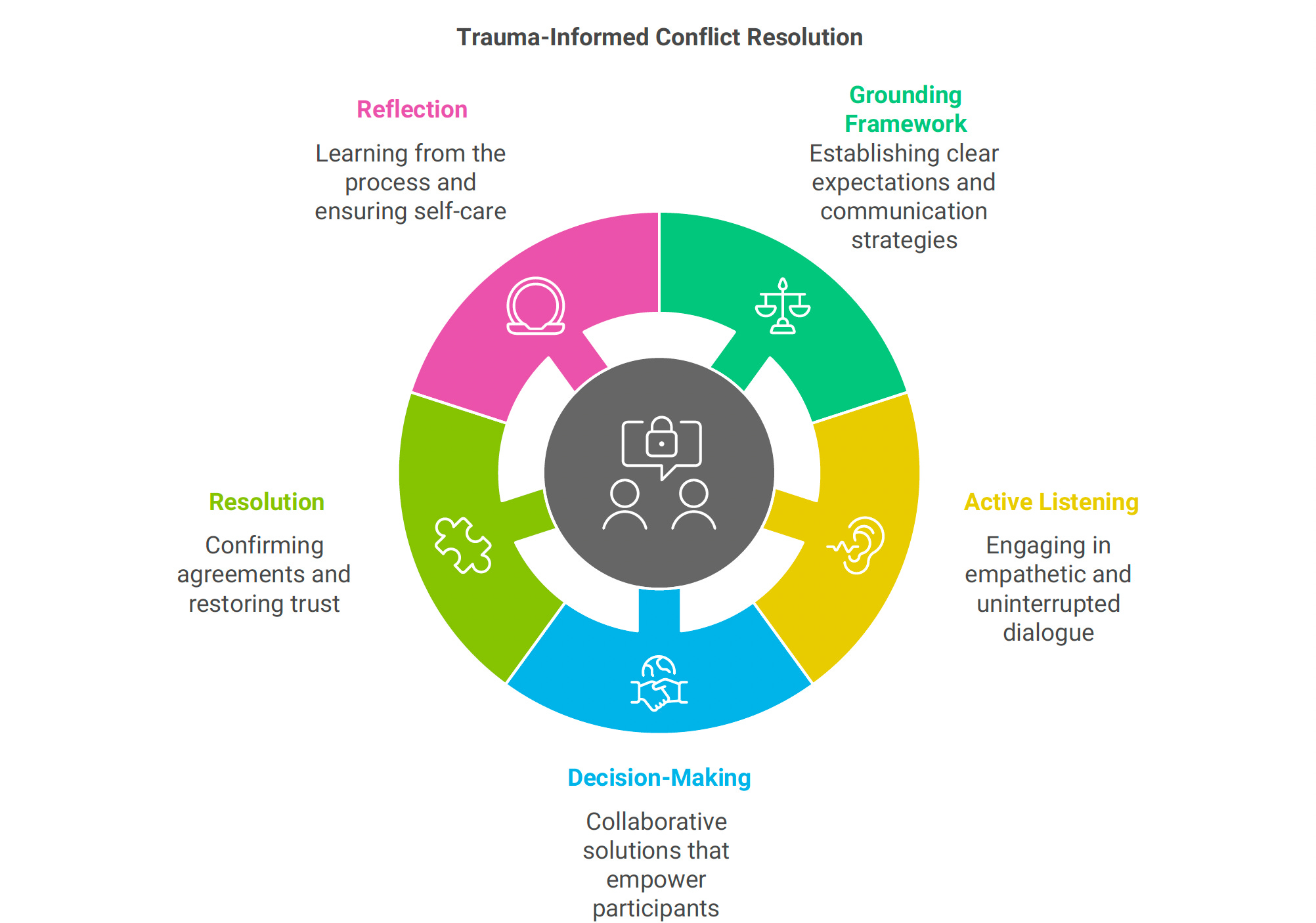
The Framework
Step 1: Prepare for the Conflict Discussion
Acknowledge the Potential Impacts of Trauma: Recognize that past trauma can influence how individuals react during conflicts. For instance, someone may appear defensive or withdrawn because their responses are shaped by survival mechanisms learned from prior experiences.
Set the Intention for Safety: Always begin by cultivating a safe environment. Choose a neutral, quiet space for discussions that limits potential triggers, whether they’re environmental or emotional.
Gather Context: Take a step back to understand the situation comprehensively. Rather than assuming or labeling someone’s actions, seek to uncover their perspective and the circumstances leading to the conflict.
Key Principle: Safety forms the groundwork for addressing conflict in trauma-informed ways.
Step 2: Establish a Grounding Framework
Lay Out Clear Expectations: At the start of the conversation, establish mutual respect as a guiding principle and explain the desired outcome of the discussion.
Use Trauma-Informed Communication: Speak calmly, avoid accusations, and steer clear of language that may feel threatening or invalidating. Pay attention to your tone and nonverbal cues.
Encourage Emotional Regulation: If the conversation becomes upsetting, use grounding tools like pauses to help everyone refocus and maintain calm.
Key Principle: Setting clear boundaries and promoting emotional regulation fosters an atmosphere of trust and openness.
Step 3: Active Listening and Empathy
Practice Active Listening: Allow individuals to fully express themselves without interruptions. Use verbal affirmations like “I understand” or “Thank you for sharing that” to acknowledge their perspective.
Validate Feelings: Even if you don’t agree with their position, affirm their emotions. For example, “It sounds like this situation left you feeling frustrated, which is completely valid.”
Reflect and Paraphrase: Summarize their key points to demonstrate understanding, reduce defensiveness, and clarify any misunderstandings.
Key Principle: When people feel heard, they are more likely to engage constructively in resolving the issue.
Step 4: Trauma-Informed Decision-Making
Collaborate on Solutions: Engage all parties in identifying solutions that address their needs while emphasizing their strengths.
Invite Feedback: Encourage individuals to contribute suggestions or adjust proposals, empowering them to have a sense of ownership over the resolution process.
Prioritize Empowerment: Focus on agreements that not only reduce harm but also restore a sense of agency for everyone involved.
Key Principle: Trauma-informed decision-making is rooted in collaboration and empowerment.
Step 5: Resolve and Repair
Confirm Agreements: Summarize action steps and make sure everyone is aligned. The clearer the commitments are, the easier it is to move forward.
Focus on Restorative Practices: Ask open-ended questions like, “What can we do to make things right for everyone involved?” Solutions can range from apologies to shared accountability measures.
Set Follow-Up Plans: Check back in after some time to assess progress, ensure commitments are maintained, and address any lingering concerns.
Key Principle: Resolution is a continuous process that focuses on repair and rebuilding trust.
Step 6: Reflect and Learn
Debrief the Process: Reflect as a team or individually on what worked well and how future conflicts can be approached differently.
Practice Self-Care: Managing conflict can be emotionally draining. Prioritize practices that promote mental and emotional well-being for all parties.
Continue Learning: Create training opportunities and strengthen organizational practices to build trauma-informed conflict resolution skills across teams.
Key Principle: Growth and learning are integral to any trauma-informed practice.
A Real-World Use Case
Imagine an education nonprofit where two team leads—one overseeing operations, the other managing partnerships—find themselves at odds over resource distribution. Tensions rise as both feel unheard and unsupported, and meetings become charged with frustration.
Using this trauma-informed framework, the following steps could be applied:
The conflict is outlined calmly with a focus on mutual understanding, beginning with a dedicated meeting in a neutral, quiet environment.
Ground rules for communication (e.g., respectful tone and no interruptions) are established to ensure the discussion feels mutually supportive and respectful.
Each lead is given space to share their perspective without judgment, and third-party facilitation ensures that feelings and frustrations are validated.
Potential resolutions are brainstormed collaboratively, such as creating clearer policies on resource use or implementing shared oversight mechanisms to distribute accountability.
Once agreements are reached, the organization revisits the conversation a month later to check that actions align with the agreed-upon goals.
By grounding the process in empathy, safety, and empowerment, the nonprofit not only resolves immediate issues but strengthens its culture of collaboration and care.
Key Insights for Effective Application
From implementing this framework and similar approaches, we’ve gathered some critical insights into managing conflict in trauma-informed spaces:
Hold Space for Humanity
Always remember that each person comes with their unique experiences, and these experiences may shape their responses—even when their perspective differs from your own. Compassion for their humanity can unlock unforeseen possibilities, even during contentious moments.Design Clear Conflict Policies
Trauma-informed spaces thrive when policies guide conflict resolution with consistency and fairness. These should focus on safety and repair, rather than punishment, to encourage meaningful resolution.Address Collective Trauma
Acknowledge the collective exhaustion and stress people carry, especially during times of ongoing disruption. Creating stability and transparency helps teams feel anchored through change.Cultural Awareness and Power Balancing
Offer individuals the respect and space their cultural contexts deserve. Additionally, remain mindful of power dynamics—ensuring no one feels silenced or overpowered during discussions.
Trauma-informed conflict management is more than a technique—it’s a commitment to building environments where people feel safe, empowered, and valued. By following this framework, organizations like the Integrate Trauma-Informed Network have the opportunity to not only address conflicts constructively but to foster a culture of healing, growth, and mutual respect.
Next Steps:
Join us for our Trauma-Informed Conflict Resolution Webinar to explore new ways to grow as a leader.
Afterward, share your reflections—what stood out to you while reading this newsletter? We'd love to hear your thoughts in the comments
Trauma-Informed Leader of the Week
FAQ: Meet Anu French, Speaker at the Trauma-Informed Leadership Symposium
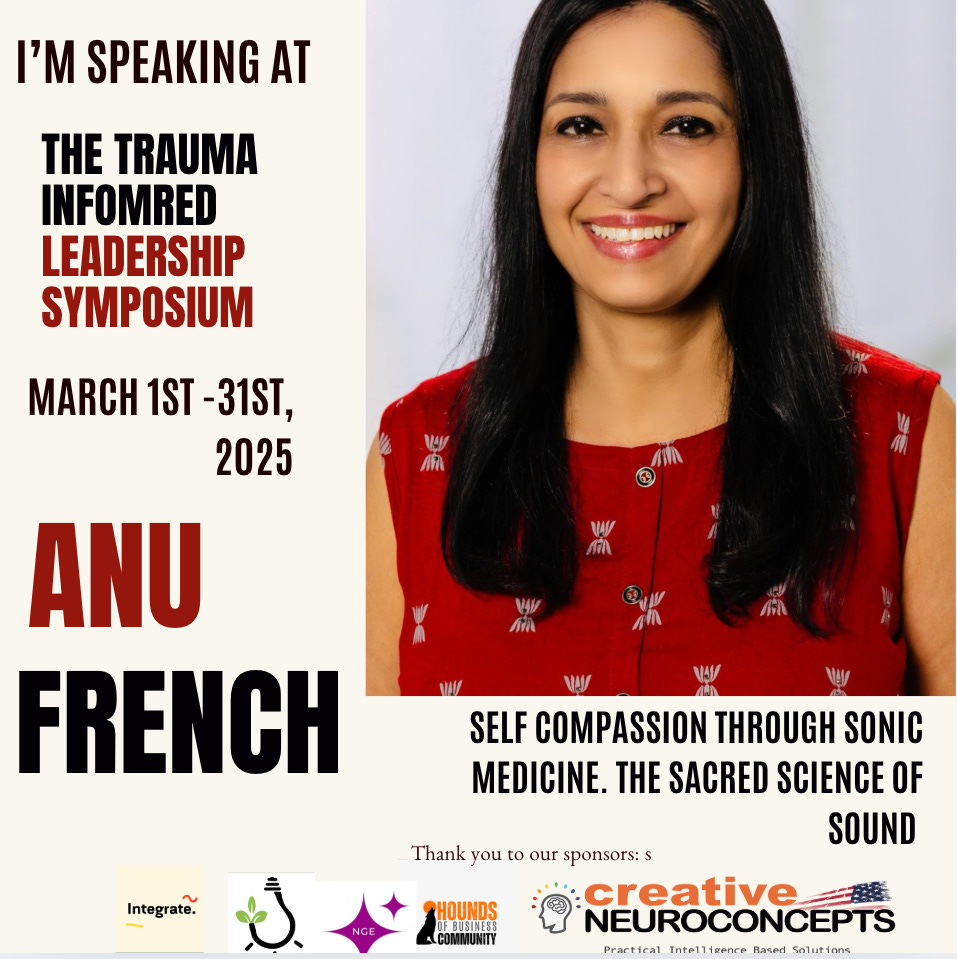
Our Trauma-Informed Leadership Symposium is launching on March 1st, and we couldn’t be more excited to share this space with you. Over the next few months, we’ll also be spotlighting the amazing leaders from our Affinity group—people who truly inspire through their work and stories.
This virtual symposium is a special opportunity to bring together leaders, experts, and professionals who care deeply about leading with empathy and understanding. Together, we’ll explore powerful topics like fostering compassion in leadership, building resilience within teams, and making thoughtful, emotionally aware decisions.
Through inspiring talks, dynamic panels, and interactive workshops, you’ll walk away with practical tools to bring trauma-informed approaches into your leadership. Most importantly, you’ll be part of a community that values support, growth, and shared learning.
Who is Anu French, MD?
Anu French is a passionate advocate for trauma-informed leadership. With a wealth of experience, she brings unique insights into creating compassionate, inclusive workplaces where everyone feels supported and heard. At the Trauma-Informed Leadership Symposium launching on March 1st, Anu will share her expertise on fostering resilience and empathy in professional settings.
What does Anu suggest for integrating trauma-informed practices into leadership?
Anu emphasizes the importance of creating a safe and open space where every team member feels empowered to use their voice. One method she champions is the "Traffic Light Check-In," where individuals assess their well-being by recognizing if they are feeling green (thriving), yellow (surviving), orange (struggling), or red (in crisis). This practice helps both leaders and team members understand how to better support each other, especially when individual trauma work is being addressed.
How can trauma-informed leadership improve organizational culture?
According to Anu, the key is fostering cultural competence that makes everyone feel welcomed and valued. This includes honoring chosen pronouns and names, as well as celebrating diverse holidays in the workplace. For instance, Anu introduced Diwali gnomes at her office and treated her team to a meal and gifts to celebrate the holiday. Such thoughtful gestures help create an environment where staff from all backgrounds feel celebrated and respected.
What challenges do leaders face in implementing trauma-informed practices?
Leaders often struggle to slow down in the hustle and stress of a fast-paced office, especially in high-pressure environments like healthcare. Anu acknowledges that this can be a barrier to trauma-informed practices. However, she highlights solutions such as starting the day with team-building mindfulness activities, like short guided meditations or yoga stretches. Anu also uses a singing bowl to help her team settle into the day and breathe deeply, fostering a moment of calm before work begins.
How does Anu encourage team positivity and connection?
Anu incorporates simple yet powerful practices to boost positivity among coworkers. For example, she encourages team members to write affirming notes about one another on post-its, which are then shared to build an atmosphere of encouragement and appreciation. These small acts of kindness contribute to a stronger, more connected team.
Why should leaders attend Anu’s session?
Anu’s session offers practical, actionable strategies to help leaders integrate trauma-informed practices into their roles. Her insights on mindfulness, cultural competence, and fostering connections within teams can help leaders create more inclusive, empathetic workplaces. Whether you're new to this approach or looking to deepen your understanding, Anu's guidance will provide valuable tools to enhance your leadership style and support your team effectively.
If you're ready to transform your leadership and workplace culture with trauma-informed practices, don’t miss Anu’s session at the Trauma-Informed Leadership Symposium beginning March 1st!
Next Steps:
Register for our Trauma Informed Leadership Symposium
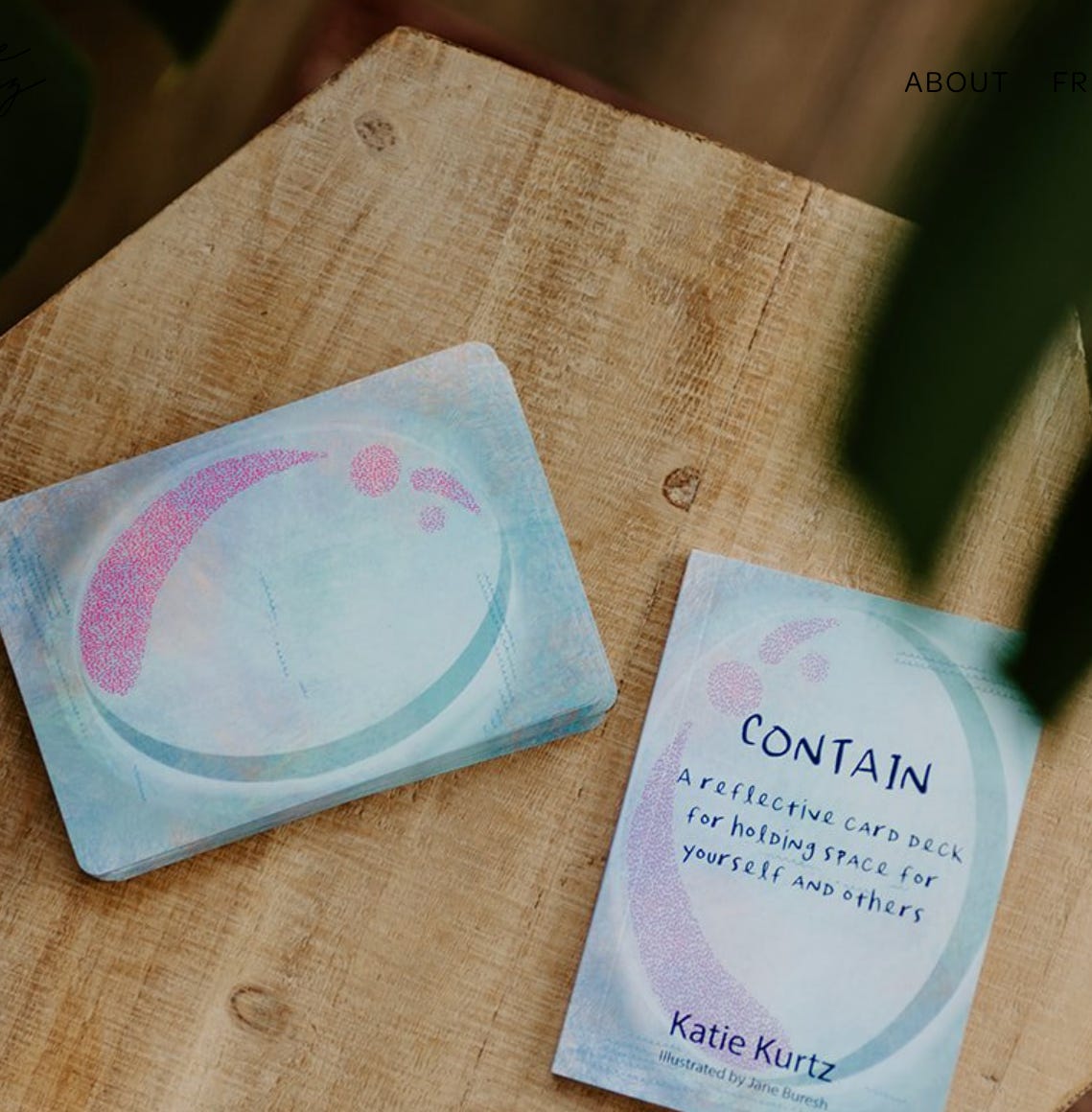
Here’s Why Katie Kurtz’s Contain Deck Captivates Us
Katie Kurtz’s Contain Deck is more than just a tool—it's a lifeline for those seeking clarity, empowerment, and structure in their lives. Designed with thoughtfulness and intention, it’s no surprise that this deck has captured our hearts and revolutionized the way we approach emotional well-being and self-awareness. Here’s a closer look at why it’s become such a standout.
It’s a Masterpiece of Simplicity and Depth
One of the most remarkable attributes of the Contain Deck is how it blends simplicity with profound insight. The cards don’t overwhelm with information, yet each one speaks volumes. Whether it’s a question to guide reflection, a prompt for deeper self-discovery, or a gentle nudge to recalibrate, every card feels like it’s been designed just for you. Katie Kurtz has a way of distilling complex concepts into digestible, relatable bites, making introspection feel approachable rather than daunting.
It Helps You Feel Seen and Supported
At its core, the Contain Deck is about creating space—space to breathe, process, and be present with your own experiences. Each card seems to hold a mirror to your emotions, validating what you may not have been able to put into words yourself. It’s as if Katie somehow knew the questions you’ve been meaning to ask or the affirmations you’ve been longing to hear. That sense of being seen and supported is incredibly powerful, especially on days when life feels a little heavier.
It’s Perfect for Both Individual and Group Settings
What makes the Contain Deck truly versatile is how seamlessly it fits into different settings. If you’re carving out a quiet moment for yourself, the deck offers personal prompts that feel like a sacred self-care ritual. But it also shines in group environments—whether it’s used to spark thoughtful discussions, foster mutual understanding, or create a safe space for connection. It’s a tool that adapts to your needs, no matter the context.
Aesthetics That Inspire
Okay, we’d be remiss if we didn’t gush a little about how beautiful this deck is. From the thoughtfully chosen fonts to the soothing color palette, every detail is crafted with care. The aesthetics add an extra layer of joy to using the cards, elevating the whole experience. This isn’t just something you use—it’s something you cherish.
A Gateway to Living with Intention
Katie Kurtz’s Contain Deck does more than help you reflect—it empowers you to act with intention. It’s not just about understanding yourself better (though it certainly helps with that), but also about stepping into a place where you’re more mindful, regulated, and present in your life. The deck equips you with the tools to anchor yourself amidst challenges and integrate compassion into your daily choices—what’s not to love about that?
Community-Centered Magic
Katie has cultivated a community that feels as welcoming as her deck itself. Every card feels infused with her warmth and her drive to help others grow. Whether you’re a seasoned participant in her work or brand-new to her resources, the deck makes you feel connected to something bigger—a movement towards healing, understanding, and growth.

Final Thoughts
The magic of Katie Kurtz’s Contain Deck is simple—it reminds us to pause, reflect, and hold space for ourselves and others. It’s thoughtful, adaptable, and stunningly impactful, and it’s easy to see why it continues to gain so much love and admiration. If you’re looking for a resource that pairs heart with practicality, the Contain Deck is truly unmatched.
Katie has created more than a product—she’s gifted us a framework to lead more intentional, compassionate lives. What’s not to adore?
This Weeks Yoga Events
December 21st: 7:00-8:00pm CST Solstice Gathering! Gentle Trauma Informed Yoga + Yoga Nidra (Online+ In person)